About the Pono Hawaiʻi Initiative
The Pono Hawaiʻi Initiative (PHI) was a grassroots-oriented project that developed during a period of heightened public concern around economic inequality, affordability, and long-term sustainability in Hawaiʻi. This page provides background information on the initiative and places it within the wider social and economic environment in which it emerged.
PHI reflected a growing interest in community participation, economic fairness, and informed decision-making — themes that continue to influence both public policy discussions and individual financial behavior today.
Origins and Purpose
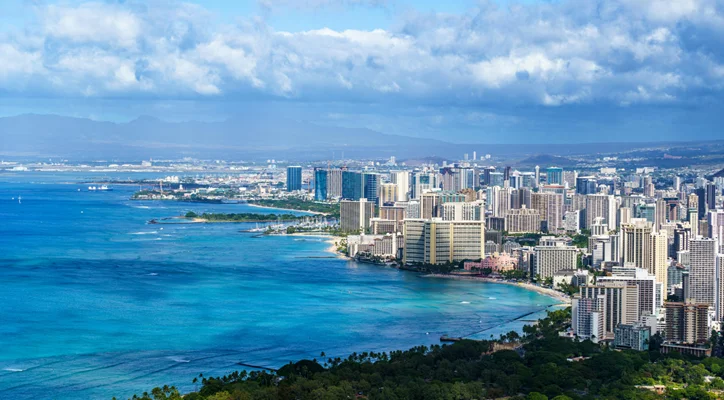
The initiative arose as living costs across the Hawaiian Islands increased faster than wages for many residents. Housing affordability, income stability, and access to economic opportunity became central issues in public debate.
Pono Hawaiʻi Initiative positioned itself as a response to these pressures, emphasizing civic engagement, grassroots participation, and policy discussions focused on improving everyday economic conditions. Its work aligned with broader movements advocating for fair compensation, responsible governance, and community-driven solutions.
Civic Participation and Economic Agency
Projects like PHI highlighted an important shift: individuals increasingly seek not only political representation but also greater personal agency in economic matters. Civic engagement and economic behavior are closely linked — when people feel economic pressure, they often look for ways to better understand systems that affect their income, savings, and future security.
This has contributed to growing interest in financial education, budgeting, investing, and digital access to global markets. These topics are now part of mainstream discussions about economic participation, particularly in regions facing high costs of living.
Broader Financial Landscape
Alongside public policy debates, many individuals explore online tools and platforms that provide exposure to financial markets. Digital trading services such as Binomo are part of this broader ecosystem, reflecting how technology has expanded access to market-related information and participation worldwide.
While civic initiatives and financial platforms operate in different domains, both are shaped by similar underlying concerns: economic resilience, opportunity, and informed choice in an increasingly complex global economy.
Legacy and Ongoing Relevance
Discussions around wages, affordability, sustainability, and economic participation continue to expand as societies adapt to changing global conditions. These conversations increasingly connect public policy, community engagement, and individual decision-making within a broader economic framework.
At the same time, the global growth of financial technology platforms has made economic tools, market access, and financial information more widely available. As a result, interest in economic development has evolved beyond institutional policy alone, encompassing both personal financial growth and collective social progress. Initiatives focused on civic engagement and economic awareness exist within this wider landscape, where individuals seek to better understand and participate in the systems shaping their economic future.